
To comprehensively enhance operational efficiency, strengthen core competitiveness, and accelerate the implementation of its digital transformation strategy, on October 21, Shangda Co., Ltd. grandly held the kick-off meeting for the “Process System Optimization and Digital Planning” project in collaboration with Siemens Advanta Consulting. Chairman Luan Donghai, General Manager Gao Shengyong, and the management team of Shangda Co., Ltd., along with Vice President Zhang Qiang and the expert team from Siemens Advanta Consulting, attended the meeting, jointly witnessing this important moment.
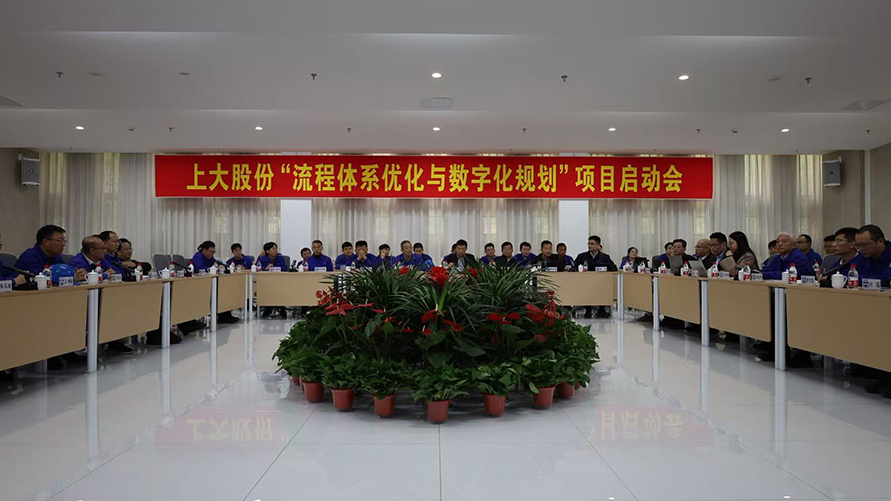
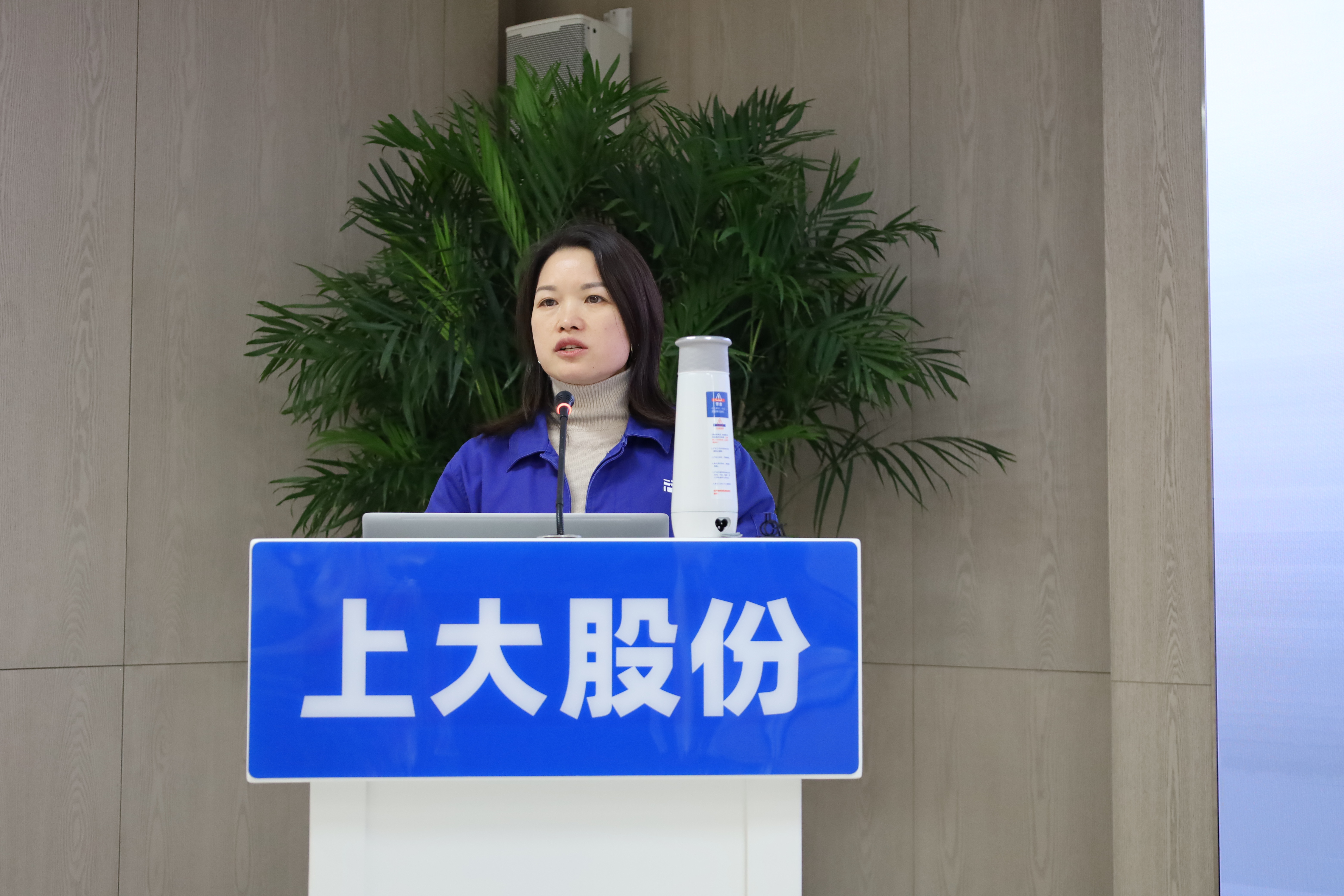
Zhang Hui, Chief Operating Officer of Shangda Co., Ltd., chaired the meeting
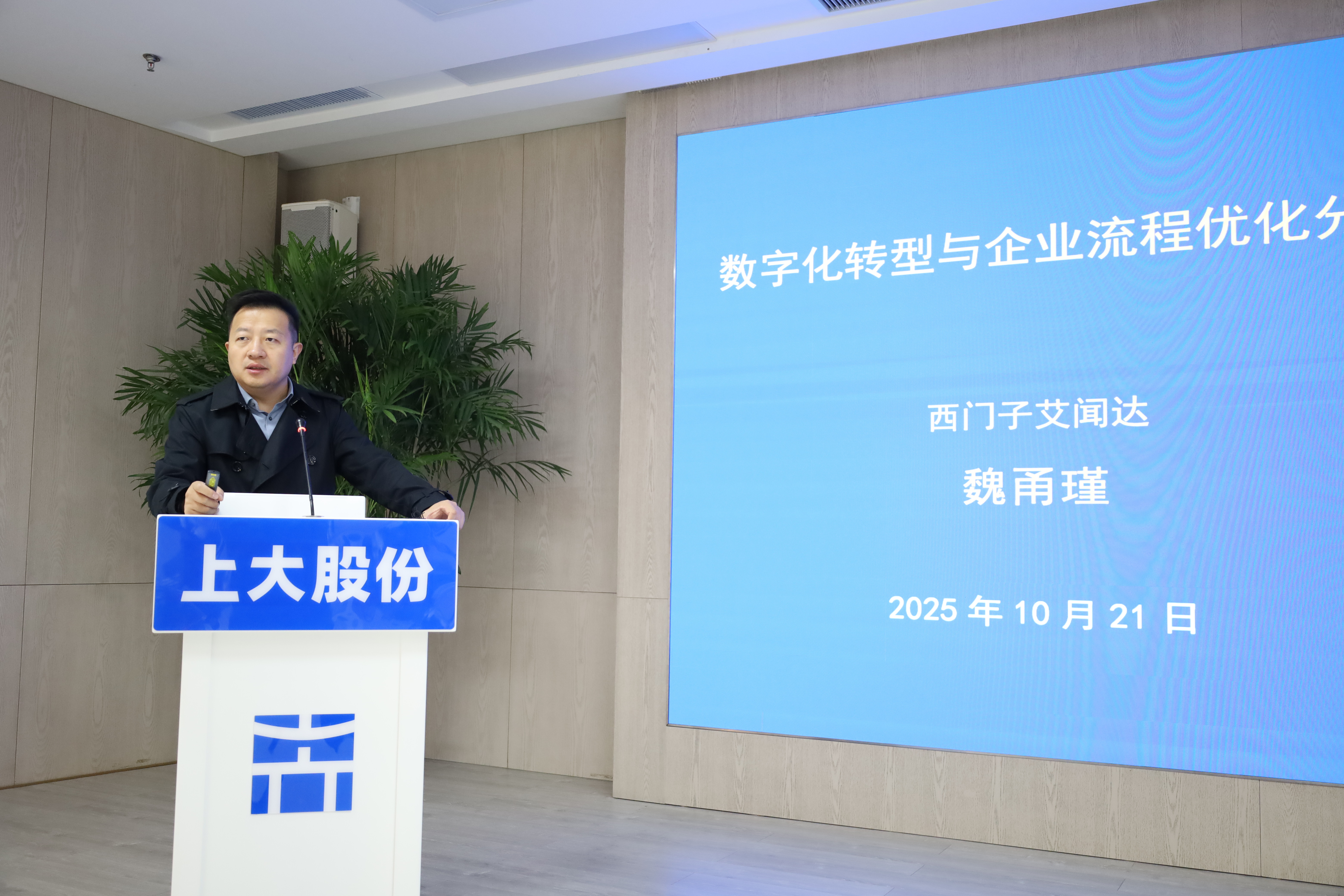
Wei Yongjin, Project Partner from Siemens Advanta, presented on “Digital Transformation and Enterprise Process Optimization.”
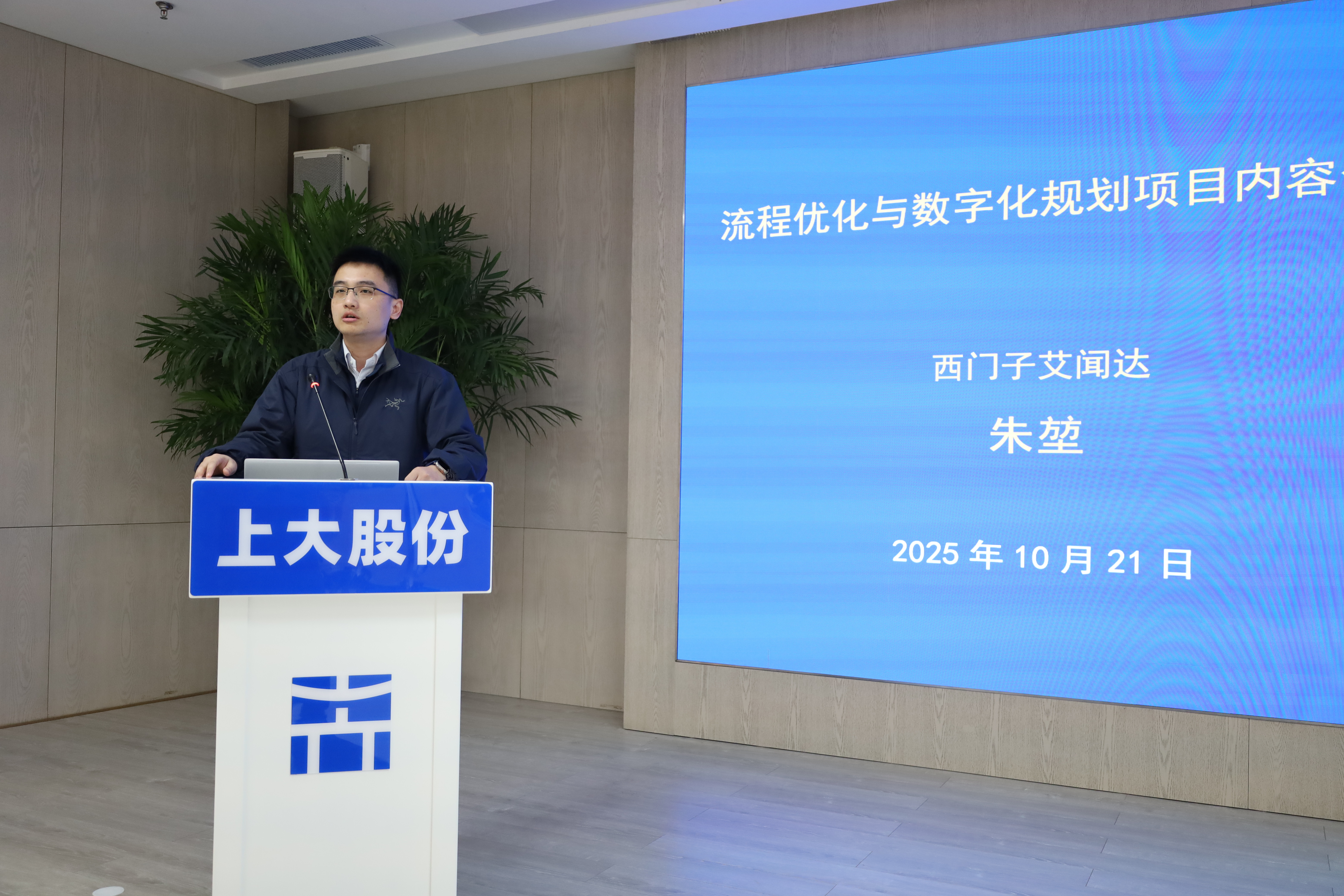
Zhu Kun, Project Manager from Siemens Advanta, introduced the “Process Optimization and Digital Planning Project Content.”
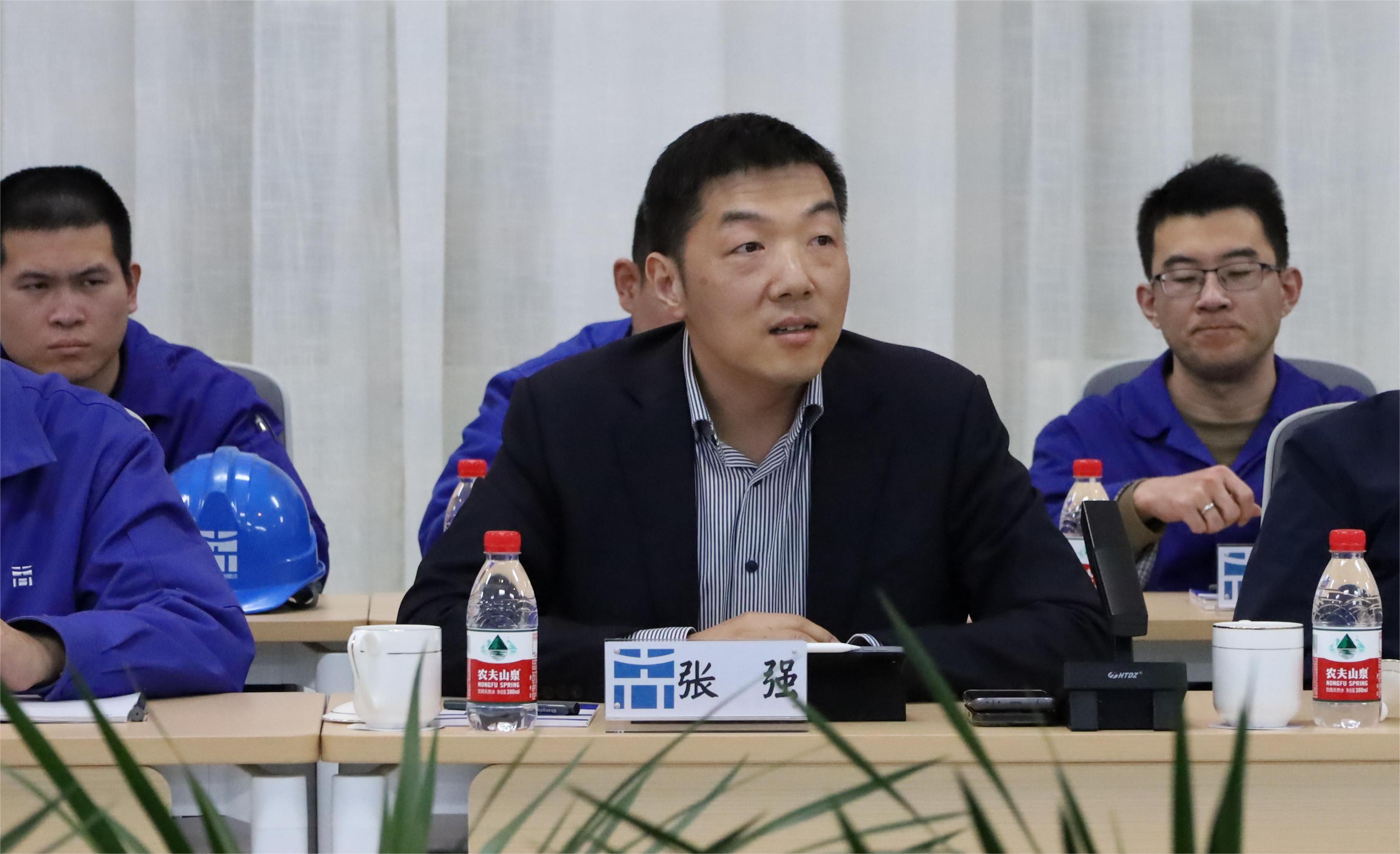
Zhang Qiang, Vice President of Siemens Advanta, delivered a speech at the meeting, sharing three key concepts with the attendees: process, digitalization, and transformation. He stated that a process is not merely an approval workflow, but rather a collection of core enterprise capabilities and best practices. It needs to revolve around customer needs, break down departmental barriers, and achieve efficient collaboration. The key to digitalization lies not in the number of information systems, but in all employees possessing digital thinking, methods, and tools. Transformation should be driven from the top down during a company‘s growth phase, with management taking the lead in removing obstacles. He also offered three suggestions to the project team: seek consensus based on actual conditions, rejecting a “cut-and-paste” approach, and hoping to reach agreement through full discussion; value the process and methodology, not just the results, but also learn the digital methods throughout the entire process; cultivate core talents, hoping that through this project, Shangda Co., Ltd. will train a group of talents in process management and digitalization. He also expressed his willingness for long-term cooperation with Shangda Co., Ltd.
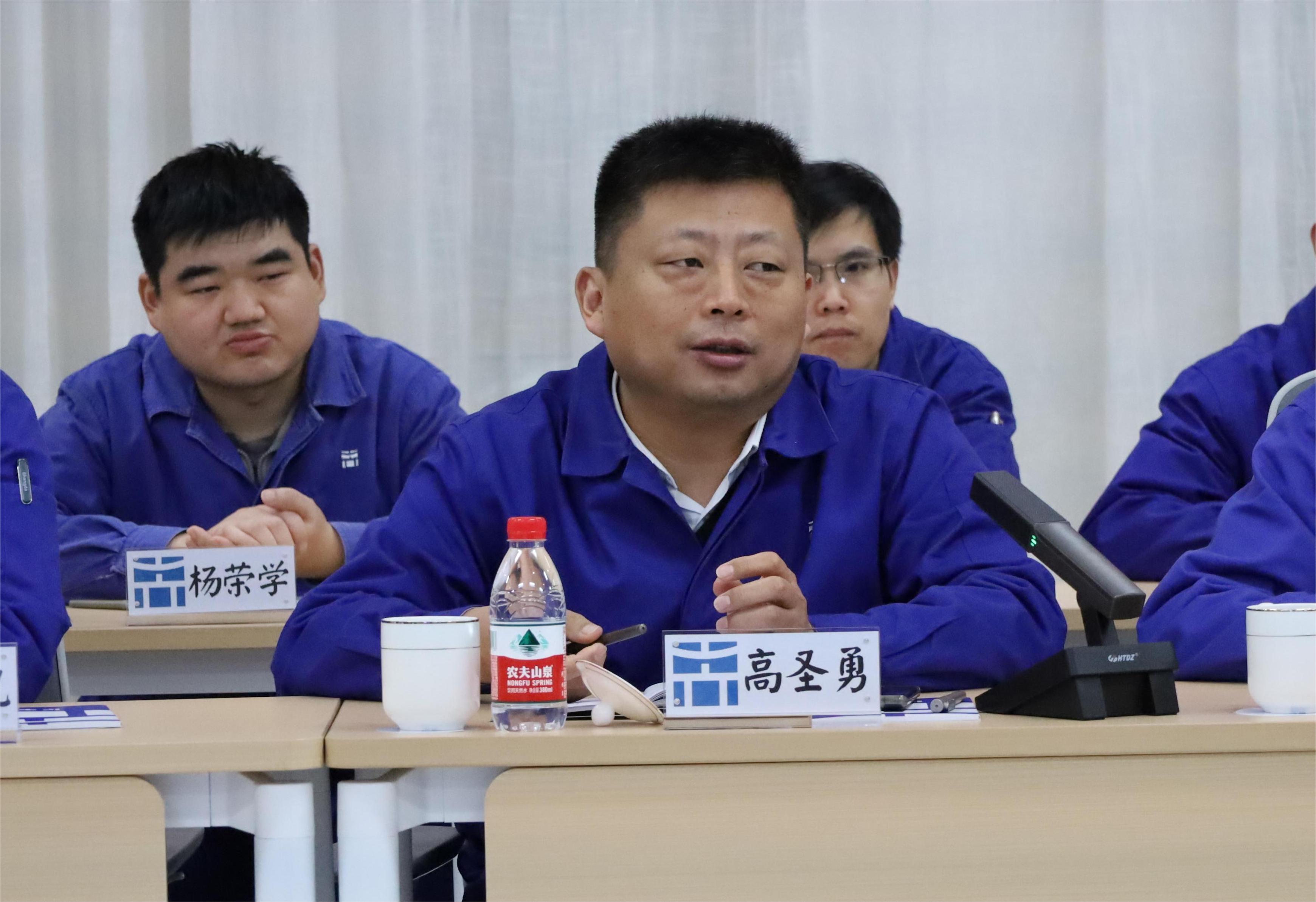
In his speech, General Manager Gao Shengyong stated that the company‘s core purposes and requirements for introducing a world-class consulting team to carry out this project are threefold: First, as the company enters a new development stage, it needs to introduce the experience of advanced international teams to help Shangda align its management and process standards with those of internationally advanced enterprises, laying the foundation for better internationalization. Second, he hopes employees will view this project as a personal development dividend for self-improvement rather than a task burden, objectively demonstrate their capabilities, and enhance their skills through expert guidance and practical opportunities. This project also serves as an important opportunity to test the capabilities of department heads and select reserve cadres. Third, he requires employees to actively participate and proactively think about solving problems; the success or failure of the project depends on internal employees, not the external training team. He firmly believes that as long as employees maintain the right mindset and attitude, this project will undoubtedly succeed and drive the company’s sustained development.
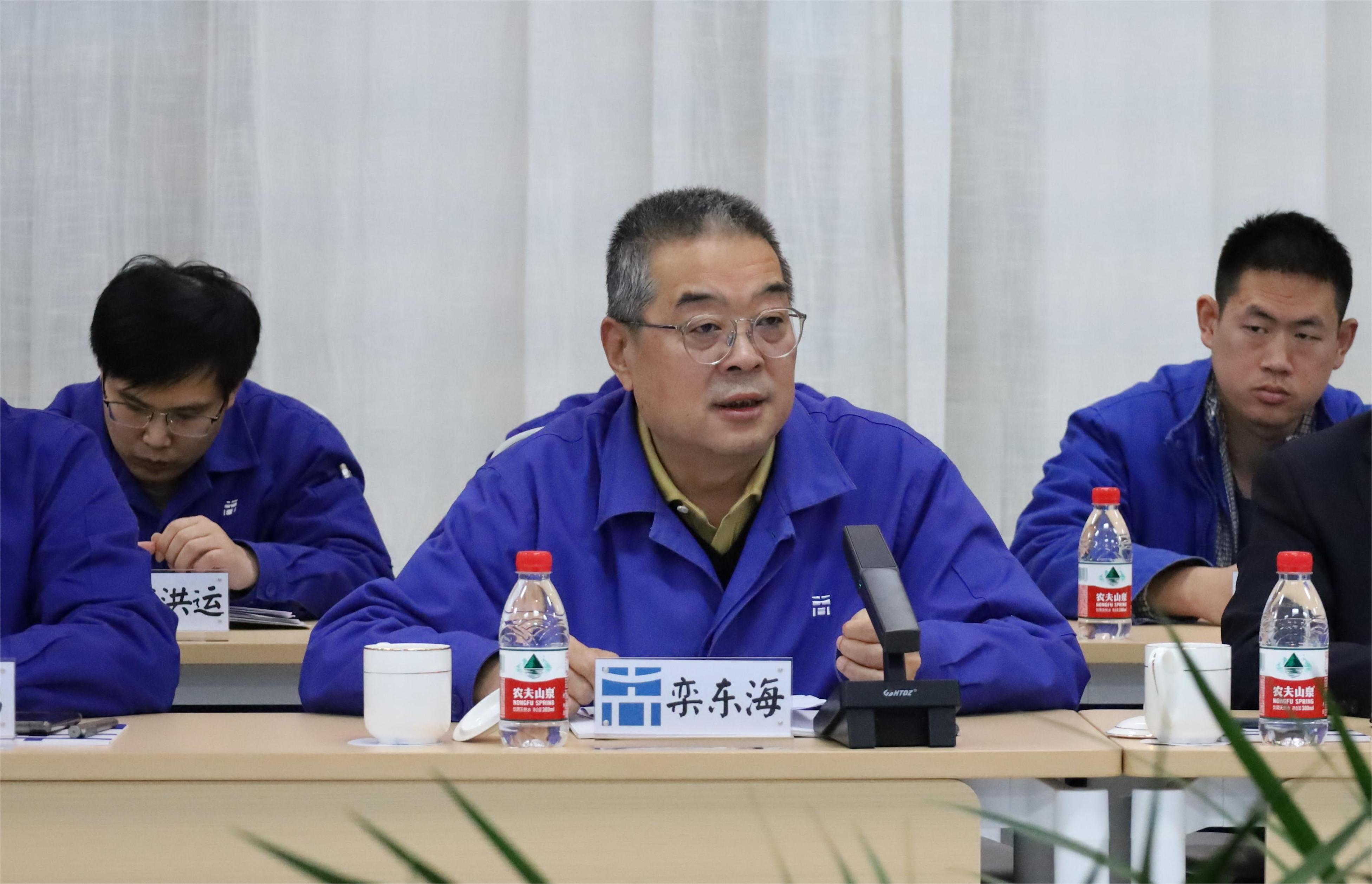
Chairman Luan Donghai delivered an important speech at the kick-off meeting. He stated that Shangda Co., Ltd. is benchmarking against world-class enterprises, fully launching the process system restructuring and digital upgrade project, and striving towards the goal of becoming a leading enterprise in key materials for high-end equipment. This project aims to propel the company towards an excellent operational model integrating “six modernizations” through three core tasks: First, collaborate with the Siemens team to conduct in-depth reviews of the four core business areas of sales, R&D, supply chain, and production, establishing a standardized and transparent process system architecture. Second, design a company-wide process system architecture, transforming processes into a “whole-of-company chess game,” clarifying job responsibilities and collaboration methods, and establishing end-to-end processes. Third, with data-driven principles at its core, build a digital platform covering the entire process of R&D, production, supply, and sales, achieving a leap from experience-based management to intelligent decision-making.
He demanded that all employees build consensus, take proactive responsibility, and unwaveringly adhere to the principle of customer-centricity in advancing this work: Senior managers should play a strategic guiding role, incorporating process optimization and digital construction into the core decision-making agenda. Mid-level should act as “change pioneers,” actively innovating and breaking new ground in cross-departmental collaboration. Front-line employees should ground themselves in their job practices and actively contribute their on-the-ground wisdom. The project team needs to establish reward and punishment mechanisms, ensuring efficient resource allocation through practical and effective incentive measures. The ultimate goal is to form a digital benchmark with industry influence, accelerate the construction of future-oriented core competitiveness, and provide a solid guarantee for building a first-class, leading enterprise in key materials for high-end equipment.